
The H1-B visa is the most common option for professional employment in the United States. Although the H1-B visa does not directly lead to a Green Card (permanent residency) in the United States, it does benefit from its status as a “dual intent visa” which means it can be used by people coming temporarily to…
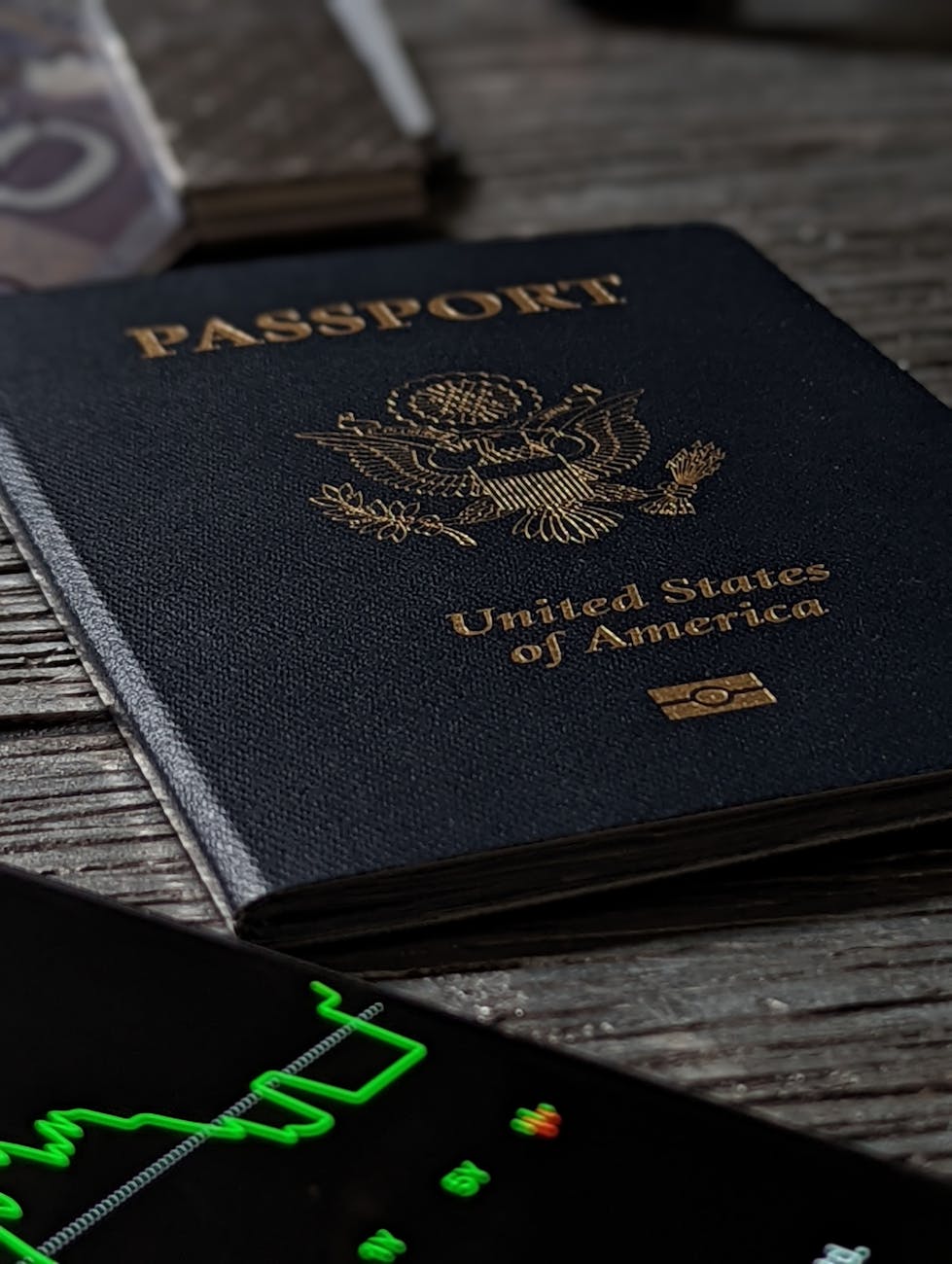
The H1-B visa is the most common option for professional employment in the United States. Although the H1-B visa does not directly lead to a Green Card (permanent residency) in the United States, it does benefit from its status as a “dual intent visa” which means it can be used by people coming temporarily to the United States with the “dual intent” to later stay permanently.
There are two types of visas to come to the United States — temporary visas for people not intending to stay permanently in the United States, and visas that may lead to permanent residence (or a Green Card). These visas are called “non-immigrant” and “immigrant” visas.
The H1-B Visa is a temporary, non-immigrant, visa but is considered a “dual intent” visa and thus there are options to later apply for a Green Card if you decide to.
The H1-B is initially valid for three years, but can be extended for another three years for a total of six years (3 years + 3 years = 6 years) in the United States.
There are a few main requirements for applying for the H1-B visa and coming to the United States, the applicant must:
- Already have a job offer in the United States
- Be employed in a “specialty occupation”
- Meet the industry standard requirements for that specialty occupation
- Have received an approved labor certification (via a labor condition application (LCA) from the United States Department of Labor)
Notably, the H1-B visa is dependent on the employer. This process must be undertaken by the employer or company that is offering the job, and not the individual applicant or employee. So the applicant must have a job offer from an employee willing to apply for the H1-B visa in order to hire the prospective employee.
Some steps of this process can be quite complex, so if you have any questions about this process (whether you are an employee or employer) or any other question about your options to visit, study, work, or live in another country, please do not hesitate to reach out to our attorneys today!
Your message has been sent

 Nelson & Stein, PLLC
Leave a comment