
A will is a document to help make clear what you would like to happen to your property after your death, as well as who will take care of your children. It is your last wishes, and can help you plan out where your money, possessions, real property, and businesses go, and who may need…

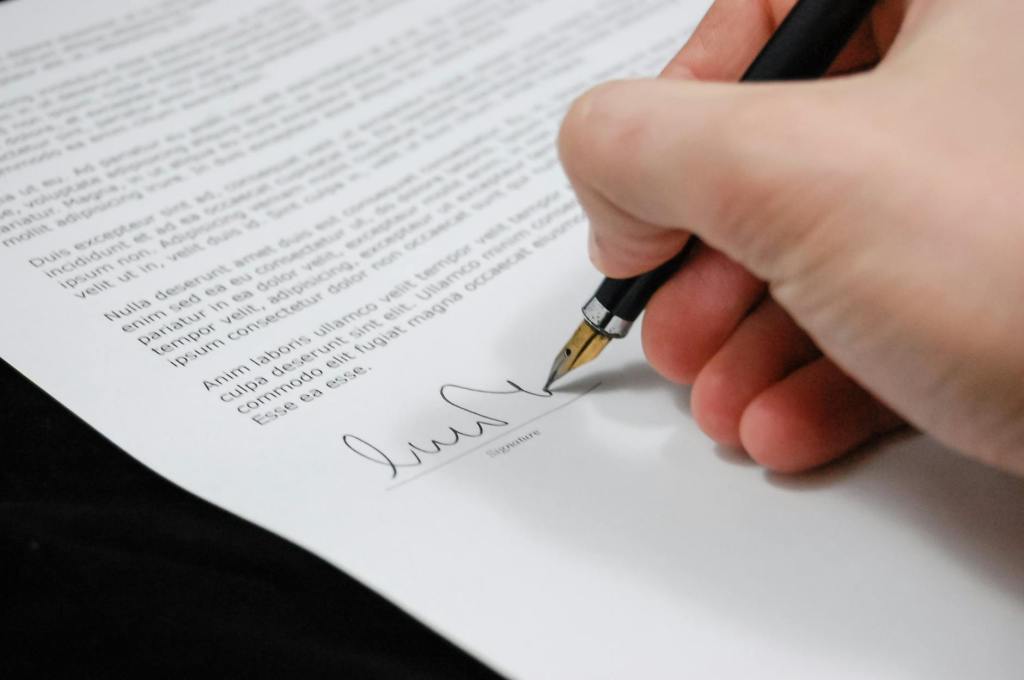
A will is a document to help make clear what you would like to happen to your property after your death, as well as who will take care of your children. It is your last wishes, and can help you plan out where your money, possessions, real property, and businesses go, and who may need to help raise any minor children you have.
If you have not written a will, the state will try to “guess” where you would have wanted your property to go. This is called “intestacy” in which the state usually checks whether you have a spouse, children, parents, or other relatives who can take your property.
To avoid the guesswork of the state, and to make sure you get to personally order your affairs and choose what happens to your property and children, it is a good idea for basically everyone to write a will.
A will has a few requirements to make it valid, including (usually, there are very often exceptions!) that it be:
- Written
- Signed & dated
- Witnessed by two people not in the will
Although these requirements are relatively simple, getting them wrong can affect the validity of your will and open your will up to challenges. To avoid these, it is best to speak to a lawyer to give you the peace of mind that your wishes will be followed, and your property will go to the right place.
For help writing a will, trust, or discussing your estate planning and business succession plan, contact us today!
Your message has been sent

 Nelson & Stein, PLLC
Leave a comment